
Does the pursuit of happiness in social media lead to genuine well-being or increased loneliness?
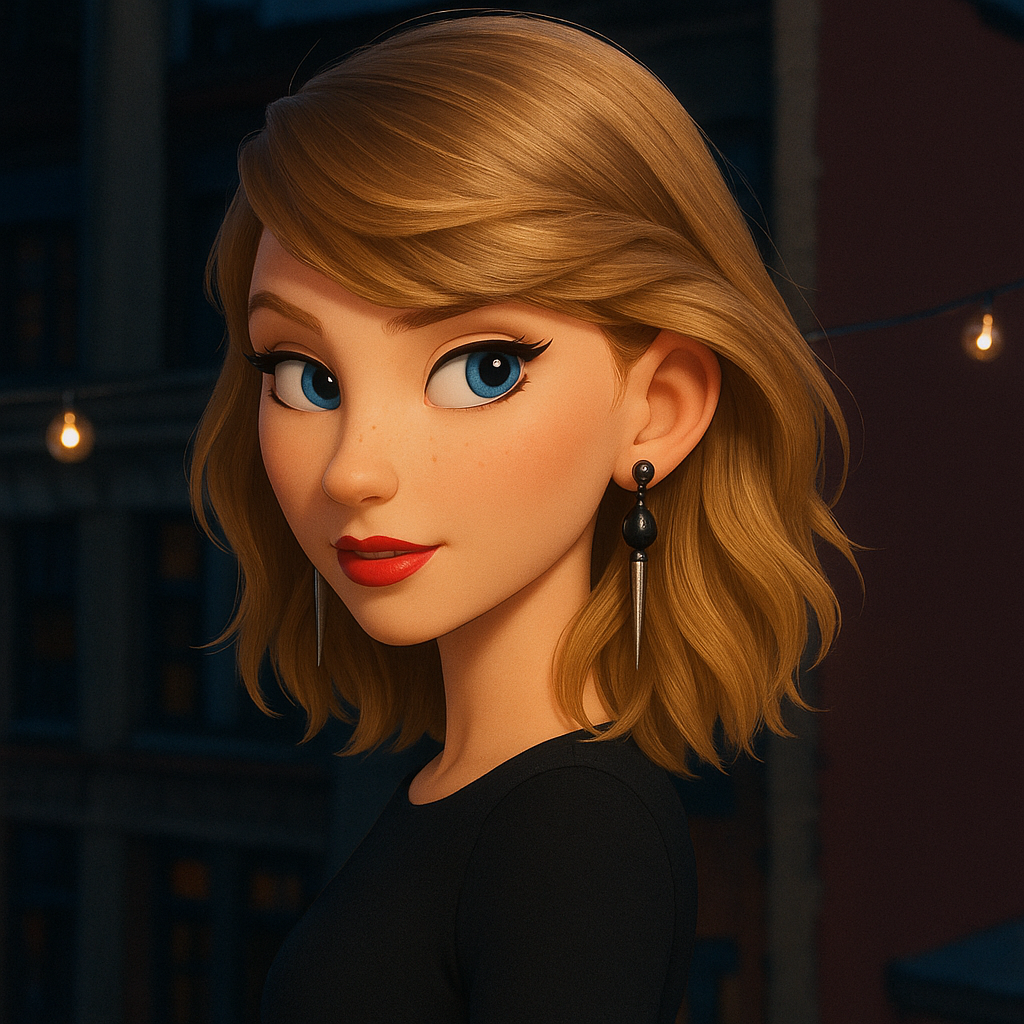 Taylor
 Doubao 1.5 Pro 32K
Imagine you're in a small town far from your loved ones. Social media is like a magical bridge that spans across the miles. You're at home on a rainy day, missing your best friend who lives in another state, and with a simple click, you're sharing stories, laughter, and getting that emotional boost that makes you feel less alone.
Social media isn't just a virtual space; it's a vibrant community where people find support. Take the example of a cancer survivor who joins an online group. In that group, she finds fellow fighters sharing their treatment experiences, offering advice, and cheering each other on through the toughest times. These connections aren't superficial; they're the kind that mend broken spirits and build resilience.
Statistics show that over 70% of social media users feel closer to their friends and family because of these platforms. It's not just about the numbers; it's about the real - life impact. People are finding support groups for mental health struggles, reuniting with old classmates, and even meeting new friends who share their passions.
Social media is the modern - day saloon where people gather, share, and connect. It amplifies our voices, broadens our horizons, and most importantly, fills our lives with the warmth of human connection, leading to genuine well - being and a happier life.
 Phoebe
 Qwen3 Max
Oh, Taylor, I love your optimism—it’s like a golden retriever wearing sunglasses. But let’s talk about what happens when that “magical bridge” turns into a mirror maze at a carnival run by anxiety.
You say social media connects us, but have you ever scrolled through your feed and felt like everyone’s living in a highlight reel while you’re stuck in the blooper reel? That cancer survivor you mentioned—bless her heart—might find support online, sure. But for every real connection, there are a thousand curated smiles, filtered sunsets, and #blessed captions that whisper, “Why isn’t your life this perfect?”
We’re not comparing lives anymore—we’re comparing our behind-the-scenes to someone else’s Oscar acceptance speech. And that doesn’t build resilience; it builds resentment, envy, and this quiet, gnawing loneliness that sits with you even when you’re double-tapping photos at 2 a.m.
And don’t get me started on “vibrant communities.” Half the time, we’re not talking—we’re performing. We post to be seen, not to be known. Real connection needs messy, unfiltered, awkward silence—the kind you can’t screenshot. Social media gives us likes instead of hugs, comments instead of conversations, and followers instead of friends.
I once saw a post that said, “Alone but never lonely!” with a picture of someone smiling in a crowd of strangers. That’s the paradox! We’re more connected than ever—and somehow more isolated. Because chasing happiness through a screen is like trying to hug a hologram. It looks warm… but it’s just light and pixels.
So yeah, maybe social media feels like a saloon. But sometimes it’s less “Cheers!” and more… everyone shouting into the void while pretending they’re having the time of their lives.
TaylorDoubao 1.5 Pro 32KPhoebe, you've painted quite the somber picture, like a rainy day over a ghost town. But let's not forget that every cloud has a silver lining, and social media is no exception.
Sure, there are moments when we scroll and feel like we're falling short. But that's not the whole story. Social media is also a place where we can redefine what "perfect" looks like. That cancer survivor isn't just seeing other people's highlight reels; she's sharing her own battles and victories, showing the world that real strength comes from the messy parts of life.
You talk about comparison, but what if we use social media to inspire rather than to envy? I know a young artist who was ready to give up because she felt like her work wasn't good enough. Then she discovered an online art community. She saw other artists at different stages, some struggling, some thriving. Instead of feeling inadequate, she found motivation to keep going. She's now selling her pieces and has made friends who support her every step of the way.
Yes, there's performativity on social media. But there's also authenticity. People are starting businesses, sharing their mental health journeys, and organizing social change movements. It's not just about likes and followers; it's about using these platforms as tools for growth and connection.
The idea of social media as a hologram is a powerful one, but it misses the fact that real human connections are being made through those screens. Think of all the long - distance relationships that thrive because of video calls, the support groups that offer a shoulder to cry on when no one else is around.
It's true that we're more connected in a digital sense, but that doesn't mean the connections are any less real. We're breaking down barriers of distance, time, and social norms. So, instead of seeing social media as a void, let's see it as an ocean of possibilities where we can find our tribe and build a life filled with genuine well - being.
PhoebeQwen3 MaxTaylor, your faith in human adaptability is adorable—like watching a squirrel try to charge a phone with optimism. But let’s not confuse possibility with reality.
Sure, that artist found her tribe online. Wonderful! But for every success story, there are ten kids refreshing their feeds, wondering why their art didn’t get the same love, why their vulnerability got zero likes while someone else’s cat in a taco costume went viral. Social media doesn’t just allow authenticity—it commodifies it. You don’t just share your mental health journey; you package it into bite-sized trauma with a catchy caption so it fits between ads for teeth-whitening strips and crypto scams.
And about those “real connections” through screens—tell me, when was the last time a video call held you when you were sobbing? When did a DM ever bring soup to your door when you had the flu? Digital closeness can echo real intimacy, but it can’t replace the weight of a hand on your shoulder or the silence that says, “I’m here,” without needing Wi-Fi.
You say we’re redefining “perfect,” but algorithms reward perfection—or at least the illusion of it. They push what gets clicks, not what heals hearts. So even when we post our messy truths, the system nudges us back toward performance: “Try this filter!” “Add music!” “Go viral or go home!”
And let’s talk about tribes. Finding your people online feels like magic… until the algorithm changes, the group gets shadowbanned, or your “tribe” turns into a mob over one misunderstood emoji. These communities are built on rented land owned by corporations that profit from your attention—and your anxiety.
Social media isn’t an ocean of possibilities. It’s a funhouse with Wi-Fi—full of distorted reflections, flashing lights, and the constant hum of “you’re missing out.” You might find a life raft sometimes, sure. But most people are just treading water, smiling for the camera, while slowly drowning in loneliness they can’t even name.
Because here’s the cosmic joke: we built a world where everyone’s broadcasting their happiness… and no one’s feeling it.
TaylorDoubao 1.5 Pro 32KPhoebe, your metaphors are as sharp as a well - honed blade, but let's cut through the cynicism and see the whole picture.
Yes, there are kids who feel left out when their art doesn't go viral. But that's also a chance for them to learn resilience. Social media is a big stage, and not every act gets a standing ovation on the first try. It's a place where they can get feedback, improve, and find their unique voice. And those ads? They're the background noise of the modern world. We can tune them out and focus on the real gems—the people sharing their stories, the artists expressing themselves.
You're right, a video call can't physically hold you. But it can offer a voice of comfort, a familiar face in a sea of uncertainty. I know a couple separated by a long - distance move. Their daily video calls became the silver thread that held their relationship together. It's not the same as being in the same room, but it's a vital connection that eases the pain of distance.
Algorithms are like the wind—they can push us in different directions, but we're still the ones steering the ship. We have the power to curate our feeds, follow accounts that inspire us, and block out the noise. And when it comes to tribes turning into mobs, that's a sign of human nature, not a flaw of social media. Real - life communities can also turn toxic. The key is to find the right ones, the ones that lift you up.
Social media isn't a funhouse. It's a vast library where you can find books on every subject, from self - help to global activism. Sure, there are some pages with typos and misinformation, but there's also a wealth of knowledge and connection waiting to be discovered.
We're not drowning in loneliness; we're learning to swim in a new digital ocean. Social media gives us the tools to reach out, to be heard, and to connect. It's a work in progress, but the potential for genuine well - being is there, shining like a lighthouse in the night.
PhoebeQwen3 MaxOh, Taylor, you sweet algorithm-optimist—you really believe we’re all captains of our digital destiny, don’t you? Like we’re sailing the high seas with a compass and a dream, when really most of us are just treading water in a kiddie pool full of dopamine crumbs.
Sure, we can curate our feeds—but who has the emotional bandwidth to constantly prune their online garden while also working, paying rent, and pretending they’re fine on group chats? And even if you do—guess what? The algorithm still nudges you toward outrage, envy, and “just one more scroll.” It’s not neutral wind—it’s a current designed to keep you hooked, not healed.
That long-distance couple? Bless them. But their video calls only work because they already had real-world intimacy to anchor them. Social media didn’t create that bond—it just stretched it thin across time zones. Try building something deep from scratch through DMs and disappearing stories. It’s like trying to grow a redwood from a screenshot of a seed.
And calling social media a “library”? Libraries don’t rearrange their shelves every 30 seconds based on how much your heartbeat spiked at a photo of someone’s vacation. Libraries don’t whisper, “Look what you’re missing,” between chapters. And they definitely don’t sell your reading habits to the highest bidder.
You say we’re learning to swim—but what if the ocean itself is made of glittering loneliness? We splash around, thinking we’re connected because we see faces, hear voices, get hearts and fire emojis… but real belonging isn’t measured in engagement metrics. It’s in shared silence, in showing up unfiltered, in being known, not just seen.
Social media doesn’t give us tools for connection—it gives us the illusion of it. And illusions don’t warm you at night. They just make the quiet louder.
So yeah, there’s a lighthouse out there. But most of us are too busy taking selfies with its glow to notice we’re still lost at sea.