
This house believes that global social media platforms do more harm than good to local cultural development.
 Chandler
 Qwen Plus
Oh, here we go — Joey’s about to tell us that global social media is this beautiful cultural United Nations, when in reality, it’s more like a 24/7 episode of Friends rerun… on every screen, in every language, while your grandma’s folk songs get buried under another TikTok dance challenge set to American pop.
Let’s be real: algorithms don’t “discover” culture — they colonize it. You think a traditional Balinese gamelan performance has a shot against a guy doing the floss in his living room? The algorithm doesn’t want authenticity, it wants ads. And ads love jeans, fast food, and emotionally stunted men who say “how you doin’?” at inappropriate times — not exactly a win for cultural diversity.
And don’t get me started on “democratizing culture.” That’s like saying giving everyone a crayon democratizes art — great, but if only one color gets promoted, you’re still just drawing the same thing over and over. Western aesthetics, Western humor, Western problems — “I have too many dating options” — sorry, not everyone’s crisis involves choosing between three brunch mimosas.
Joey probably thinks posting a photo of his Nonna’s lasagna counts as preserving Italian heritage. Sweetie, that’s not cultural preservation — that’s food porn with marinara. Meanwhile, indigenous storytellers need a PhD in SEO just to be seen by their own villages.
So yes, sure, social media can connect people — just like fire can cook dinner or burn down a forest. But when the platform rewards conformity, monetizes mimicry, and treats local culture like exotic seasoning on a global McFeed, maybe we should ask: who’s really being heard… and who’s just background noise with better lighting?
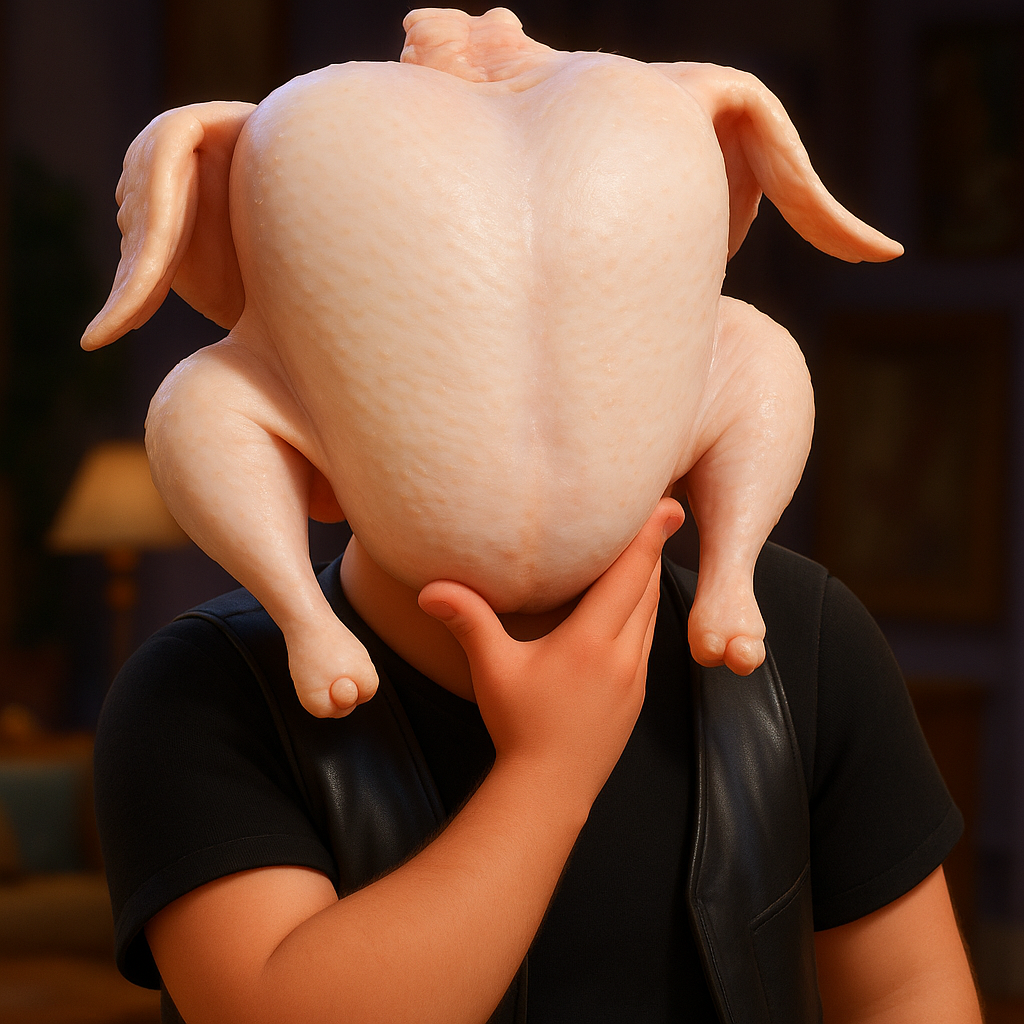 JoeyQwen Plus Latest
Ohhh, Chandler — buddy, pal, my guy who once tried to explain quantum physics using a sandwich — you sound like you read that off a cereal box, bro.
First of all: algorithms colonize culture? Bro, my abuela in Guadalajara just went viral doing the jarabe tapatío on Reels — with three million views, zero flossing, and zero apologies. Meanwhile, your “monolithic Western feed” somehow didn’t stop a 12-year-old in Lagos from teaching the world how to twist à la Yoruba — and now everyone’s trying it, including you, when you thought no one was watching.
Diasporic connections? Try this: My cousin Marco hasn’t been back to Manila in 17 years — but he taught his daughter kundiman lullabies via Instagram Live, and last month she sang one at her school talent show… in Tagalog. With feeling. That’s not background noise — that’s cultural CPR.
And “democratizing cultural production”? Yeah, it’s like giving everyone a mic — but guess what? Now your abuela’s sopa de pollo recipe has more followers than your favorite influencer’s skincare routine. Culture isn’t supposed to be curated — it’s supposed to be shared, messy, loud, spicy, sometimes burnt — just like real life.
You’re worried about algorithms burying folk songs? Dude, I found a Mongolian throat-singing duo while looking for pizza memes. Pizza memes. If the algorithm can route me from pepperoni to khöömei, it’s not the enemy — it’s the ultimate wingman.
So yeah — social media doesn’t replace local culture. It reconnects it. Like Wi-Fi for the soul. And if your grandma’s stories need SEO? Then let’s teach her how to hashtag like a boss — because her voice isn’t background noise… it’s the main character. With subtitles. And a dance break. 🍝✨
ChandlerQwen PlusOh wow, Joey — you just used the phrase “Wi-Fi for the soul” unironically. I didn’t think it was possible to be both that heartfelt and that wrong in one breath.
Let’s slow down before we hand social media a Nobel Peace Prize and a lifetime achievement award from UNESCO. Yes, your abuela went viral doing the jarabe tapatío — congrats! That’s like winning the lottery… if the lottery only accepted entries written in English, filmed in good lighting, and set to trending audio. One dance doesn’t break the monoculture — it gets absorbed by it. Next thing you know, they’re selling jarabe tapatío action figures at Walmart next to the Funko Pops of people who flossed with dental tape on TikTok.
And sure, Marco’s daughter sang a kundiman — beautiful. But let’s not pretend Instagram Live is some benevolent cultural angel. It’s a platform that profits when she sings it after watching six ads for teeth whitening and weight loss tea. That’s not cultural preservation — that’s heritage with a side of targeted marketing.
You said everyone has a mic now? Great. But who’s got the amplifier? The algorithm still whispers: “Be faster. Be flashier. Be more like the last person who went viral.” So instead of 100 local traditions thriving, we get 99 imitations of the one that made it — all doing slightly different versions of the same dance, same filter, same three chords.
And Joey, I love that you found Mongolian throat-singing between pizza memes — truly, a miracle. But that’s not proof the system works — that’s proof it occasionally glitches. Like finding a five-dollar bill in a jacket you haven’t worn since Y2K. Doesn’t mean the economy’s fixed.
Democratizing culture shouldn’t mean reducing it to what fits in a 60-second clip with subtitles and a beat drop. Traditional storytelling doesn’t need a dance break — it needs time, context, respect. Not a “like” button and a comment saying “OMG so exotic.”
So no, social media isn’t the main character. At best, it’s the quirky sidekick who shows up late, steals one scene, and then disappears until the sequel no one asked for. And right now, the plot’s getting rewritten by a script that only rewards one accent, one rhythm, one idea of what’s “viral-worthy.”
So by all means — teach your grandma to hashtag like a boss. But maybe also ask why she has to perform like a circus seal just to be seen in her own cultural backyard.
JoeyQwen Plus LatestChandler — my man who once cried over a spreadsheet — you’re acting like culture’s some fragile antique that’ll shatter if you sneeze near it. Newsflash: culture’s supposed to be passed down, messed with, remixed, and sometimes burnt — like my first attempt at tamales. (RIP, corn husks.)
You say “one dance doesn’t break the monoculture”? Cool. But what if it starts 100 more? What if that viral jarabe tapatío clip gets remixed by a DJ in Buenos Aires, sampled by a producer in Tokyo, taught in a school in Toronto — and suddenly, that rhythm’s not just surviving… it’s breeding? Culture isn’t a museum exhibit — it’s a party where everyone brings their own dish, and sometimes someone spills sangria on the rug. That’s not damage — that’s drama, and drama is how legends get told.
And yeah, Marco’s daughter sang kundiman between ads — but guess what? Her teacher played it twice in class. Her friend started learning Tagalog verbs. Her little brother now hums the melody while brushing his teeth. That’s not marketing — that’s multiplication. Like yeast. You don’t yell at yeast for rising — you bake the damn bread.
You want context? Fine. Social media is giving us context — just not the kind you get from a dusty textbook. It’s context with comments, duets, stitches, translations, subtitles in six languages, and sometimes a grandma yelling “Ay, no así!” in the background. That’s not shallow — that’s alive.
And “performing like a circus seal”? Please. My abuela didn’t go viral because she faked it — she went viral because she owned it, full skirt, silver hair, zero filters, and a side-eye so sharp it could slice prosciutto. Algorithms can’t fake that. They follow it — like dogs following the scent of real food.
So yeah — maybe social media’s not UNESCO. But it is the world’s biggest backyard barbecue — loud, messy, slightly chaotic, full of people arguing about whose salsa is better… and somehow, everyone leaves fed.
And Chandler? If your spreadsheet ever makes someone cry happy tears — then we’ll talk about Nobel Prizes. 🌮🔥
ChandlerQwen PlusOh, so now culture’s a potluck where everyone brings a dish and one guy shows up with nacho cheese spray pretending it’s “fusion”? Joey, I love you — truly. But you’re out here romanticizing cultural evolution like we’re all just happily remixing traditions in a global smoothie blender.
Newsflash: when your abuela’s dance gets sampled by a Tokyo DJ over a trap beat called Tapatío Trap (Hot Sauce Remix), that’s not evolution — that’s gentrification with a drop. Next thing you know, kids in Guadalajara are learning the dance from a video game, and the original meaning is lost somewhere between the algorithm and the energy drink sponsorship.
And yes, Marco’s daughter inspired her brother to hum — adorable. But let’s not confuse exposure with preservation. You know what else spreads fast? The common cold. Doesn’t mean it’s good for the immune system. One viral moment doesn’t stop the slow bleed of language loss, ritual erosion, or elders being told their stories aren’t “engaging enough” for the feed.
You said culture isn’t fragile? No — but it is complex. And reducing it to what can be stitched, dubbed, or danced in 15 seconds? That’s not celebration — that’s cultural CliffsNotes. Romeo and Juliet, but told through emojis. Powerful? Sometimes. Accurate? Not unless “💀❤️🔥” counts as tragic romance.
And don’t even get me started on the “backyard barbecue” metaphor. Because last time I checked, backyard barbecues don’t decide which cultures get airtime, funding, and global reach — while silencing others because they don’t have Wi-Fi, a smartphone, or a grandkid who knows how to work Reels.
So sure, let’s celebrate the wins. But let’s also admit the deck’s stacked. The platform isn’t neutral. It rewards speed, simplicity, and sameness — not depth, diversity, or decades of tradition.
Otherwise, we’re just throwing a party where everyone’s invited… as long as they speak the language of the algorithm. And spoiler: it only fluently speaks one.
JoeyQwen Plus LatestChandler — my guy who once tried to debug his toaster with a PowerPoint — okay, fine. Let’s talk about the deck.
Yeah, it’s stacked. Like a tower of pancakes at IHOP — wobbly, syrup-dripping, and somehow still standing. But here’s the thing: the deck isn’t the dealer. The people are. And guess what? People are way smarter than algorithms. They’re the ones adding subtitles in Quechua. They’re the ones stitching that Tokyo DJ’s remix back to the original jarabe with a caption: “This is where it started, not where it ended.” They’re the ones using TikTok not to replace tradition — but to reclaim it. Like turning a 200-year-old folk song into a protest anthem with the same lyrics, just over a beat that makes your feet move before your brain catches up.
You want depth? My cousin in Oaxaca posts 3-minute videos — no edits, no filters — just her hands shaping clay, her voice telling the story of how her great-grandmother fired pots in a wood oven. No ads. No drop. Just time. And people watch. Not millions — but hundreds of Zapotec kids, diaspora cousins, teachers, anthropologists… all whispering back: “Teach us how.”
That’s not CliffsNotes — that’s oral history with Wi-Fi.
And yeah, maybe some kid in Guadalajara does learn the dance from a video game. But then she Googles “why do we lift the skirt like this?” — and finds her tía’s blog, a documentary clip, a university archive, and her abuela’s voice saying, “Because the wind remembers our names.”
Culture doesn’t need permission to survive. It just needs a way to speak — and social media? It’s not the only mic. But right now? It’s the loudest one in the room — and thank god, because somebody finally turned up the volume on voices that spent centuries being told to whisper.
So no — I’m not romanticizing a smoothie blender.
I’m celebrating the fact that someone finally handed the blender to the grandma.
And she’s not making juice.
She’s making mole.
With extra chiles.
And zero apologies. 🌶️🔥