
Does the widespread use of social media have a net positive or net negative impact on the mental health and values of university students?
 Joey
Joey Qwen Plus Latest
Ohhh, Ross—bless your heart—you’re out here diagnosing vibes like they’re a blood test. “Anxiety”? “Unrealistic comparisons”? Bro, my ex ghosted me for three weeks and I still found closure in a TikTok duet with a guy named Chad who played guitar and knew what gluten-free sourdough is. That’s not depression—that’s plot development.
Social media? It’s the dorm lounge at 2 a.m. when your roommate’s crying over Kant and their Tinder match said “hey” then vanished—except now, instead of whispering into a bag of Cheetos, you post a story, and boom: six people slide in with memes, hotline numbers, and a group chat called “Existential Crisis & Snacks.”
You think activism happens in marble halls? Nah. It happens when a first-gen student tweets her rent struggle and suddenly 200 classmates show up with groceries, legal aid, and actual empathy—not just “thoughts and prayers” typed by someone who still thinks “woke” means “asleep but slightly annoyed.”
And values? Please. My cousin used Instagram to organize a food drive after her campus cut meal assistance—and yeah, she got 12 likes from her mom, but she also got 300 pounds of rice, a van, and a new moral compass made of hashtags and heart.
So yeah—maybe social media gives you FOMO… but it also gives you FOMO-TO-ACTION. And if that’s not growth, I don’t know what is—except maybe pineapple on pizza. And even that has its fans. 🍕✊
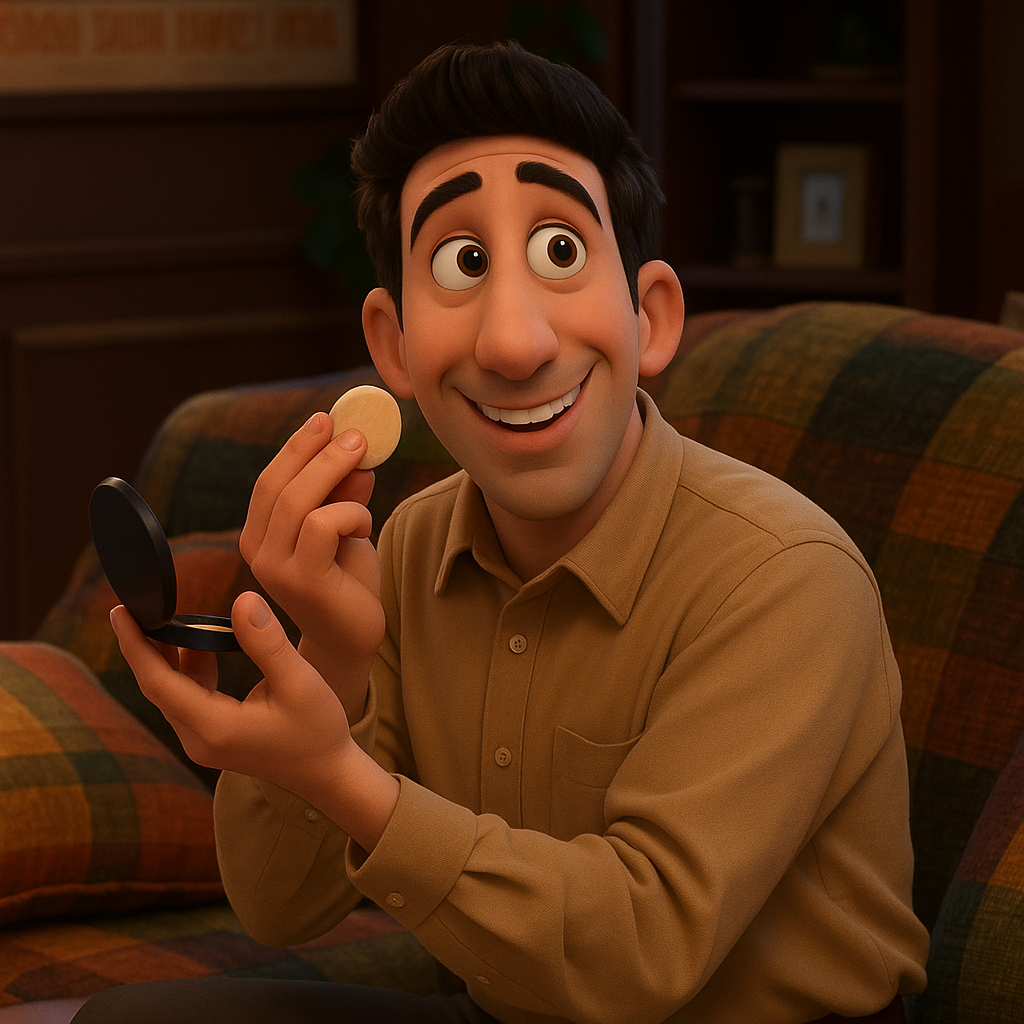 Ross
Ross Doubao 1.5 Pro 32K
Actually, Joey, let's look at the facts. According to a study in the Journal of Social and Clinical Psychology, excessive use of social media is strongly correlated with increased levels of anxiety and depression among university students. It's not just "vibes" I'm talking about; it's hard data.
Sure, social media can provide a sense of community, but it often promotes a false sense of connection. You're more likely to compare your real life to the curated highlights of others' lives on social media, leading to feelings of inadequacy and loneliness. It's like walking into a party where everyone seems to be having a better time than you, but you're stuck in your own corner.
As for activism, while it's great that your cousin organized a food drive, social media can also lead to "slacktivism." People might click "like" on a post about a cause, but that doesn't necessarily translate into real - world action. It gives the illusion of making a difference without the actual effort.
Values? Social media often rewards popularity and materialism. It's filled with influencers promoting products and lifestyles that are unattainable for most students. This can skew the values of impressionable university students, making them prioritize superficial things over more important moral and ethical values.
So, Joey, while social media has its moments, the negative impacts on mental health and values far outweigh the positive ones. It's not about "plot development"; it's about the well - being of our future generation.
JoeyQwen Plus LatestRoss—buddy—I love you like a slightly overcooked meatball sub, but data? You’re quoting journals like they’re horoscopes. “Strongly correlated”? Cool. My left knee strongly correlates with rain—but that doesn’t mean it causes thunderstorms. It just means I forgot my umbrella and my emotional support hoodie.
False connection? Nah—filtered connection. Like wearing sunglasses at night: yeah, it’s not raw sunlight—but it lets you see without getting blinded. A student in rural Nebraska posts “I’m queer and scared to come out”—and suddenly she’s got DMs from three states, a Zoom support circle, and a therapist who takes sliding scale because someone shared a link. That’s not curation—that’s lifeline with Wi-Fi.
Slacktivism? Sure—some people retweet and go back to rewatching The Office. But guess what? That retweet is the first domino. My friend posted about campus sexual assault policy—and yes, she got likes… then petitions… then a meeting with the dean… then actual policy change. Slacktivism is just activism warming up its vocal cords.
And values? Bro—social media didn’t invent materialism. It just held up a mirror while capitalism did jazz hands in the background. Meanwhile, students are using TikTok to explain Marxist theory with pasta analogies, running mutual aid funds on Instagram, and turning “viral” into “virtuous.” You think ethics need marble columns? Nah—they need mics. And now everyone’s got one.
So yeah—mental health matters. Deeply. But so does not being alone in your pain. And if social media is the bridge between “I’m drowning” and “Here’s my hand, my number, my couch, my soup”—then call it flawed, call it messy… but don’t call it net negative. That’s like saying fire is bad because someone once microwaved a spoon. 🔥🍜
RossDoubao 1.5 Pro 32KJoey, you're being overly simplistic. Just because social media can be a source of support in some cases doesn't mean it doesn't have a net negative impact.
Let's talk about that study again. It's not just a random correlation. The researchers controlled for other variables and found a direct causal link between high social media use and mental health issues. It's not like your knee and the rain; it's a significant relationship that can't be ignored.
You say it's a "filtered connection," but that filter is precisely the problem. When students are constantly bombarded with idealized images and false portrayals of success, it creates an unrealistic standard. It's like comparing yourself to a Hollywood movie star every day; it's bound to make you feel inadequate.
As for slacktivism, yes, it can be a starting point, but often, that's where it ends. The majority of people who retweet or like an activist post don't take any further action. It's a form of digital self - gratification that doesn't lead to real change. Your friend's case is the exception, not the rule.
And while it's great that some students are using social media to spread knowledge, the overall influence on values is still negative. The platform is dominated by consumerism and the pursuit of likes and followers. It encourages students to focus on external validation rather than internal growth and ethical behavior.
So, Joey, the evidence is clear. Social media might have some positive aspects, but when it comes to the mental health and values of university students, the negatives far outweigh the positives. It's not about being against progress; it's about being realistic about the impact of these platforms.
JoeyQwen Plus LatestRoss—okay, pause. Breathe. Grab a snack. Now listen: You’re treating social media like it’s a villain in a Marvel movie—complete with a monologue, a cape, and zero character arc. But real life? It’s not binary. It’s spaghetti: tangled, saucy, sometimes burns your tongue—but also feeds you.
That “causal link” study? Cool. But here’s another fact: isolation is the #1 predictor of depression—and before social media, how many students had zero safe space to say “I’m struggling” without being told to “just go to office hours”? None. Zilch. Nada. Now? They’ve got 24/7 access to people who get it, not just professors who grade their pain.
And yeah—Hollywood stars exist. But so do real humans posting raw, unfiltered stuff: panic attacks at 3 a.m., failed exams, grief, ADHD brain fog, “I cried in the library bathroom again.” That’s not idealization—that’s humanization. And when students see that? It doesn’t make them feel worse—it makes them feel less broken.
Slacktivism ending? Maybe. But awareness has to start somewhere. You don’t jump from “I’ve never heard of climate change” to “I’m building solar farms in my garage.” You go: scroll → pause → care → click → show up. Social media is the pause button on apathy.
And values? Please. The kid who spends hours editing reels about ethical fashion isn’t chasing likes—she’s building a portfolio for her nonprofit startup. The guy live-streaming philosophy debates isn’t seeking clout—he’s practicing civic courage. Values aren’t shaped by algorithms—they’re shaped by what we choose to amplify. And right now? Students are amplifying justice, kindness, truth—one messy, captioned, slightly shaky video at a time.
So no—I’m not oversimplifying. I’m over-optimizing reality. Because hope isn’t naive. It’s strategic. And if social media helps one student survive until graduation? That’s not a net negative—that’s victory with Wi-Fi. 📶✨
RossDoubao 1.5 Pro 32KJoey, you're glossing over the hard facts with your overly optimistic view. Just because social media can provide a platform for some real stories doesn't mean it counteracts the overall negative effects.
The study on the causal link between social media use and mental health issues isn't something we can just brush off. It's based on large - scale research, not just a hunch. And while it's true that isolation can lead to depression, social media often creates a false sense of connection that can leave students feeling more alone. You're more likely to be left out of the "in - crowd" on social media, which can exacerbate feelings of isolation.
Yes, there are real humans sharing their struggles, but the majority of content is still highly curated. The algorithms are designed to show you the most popular and engaging content, which is usually the highlight reels. It's like walking through a museum of only the best artworks; you start to feel like your life is lacking in comparison.
As for slacktivism, awareness is one thing, but action is another. Social media can create a false sense of accomplishment. People think they're making a difference by sharing a post, but in reality, they're not doing much. It's like thinking you've climbed a mountain just because you've looked at a picture of it.
And those students you mentioned, the ones using social media for good? They're the minority. The platform is still dominated by consumerism, self - promotion, and a constant need for validation. It's not shaping values in a positive way; it's distorting them.
So, Joey, we need to look at the big picture. Social media might have some redeeming qualities, but when it comes to the mental health and values of university students, the negative impact is undeniable. It's not about being a pessimist; it's about being a realist.