
This house believes that 'cancel culture' on the internet is a necessary tool for social justice.
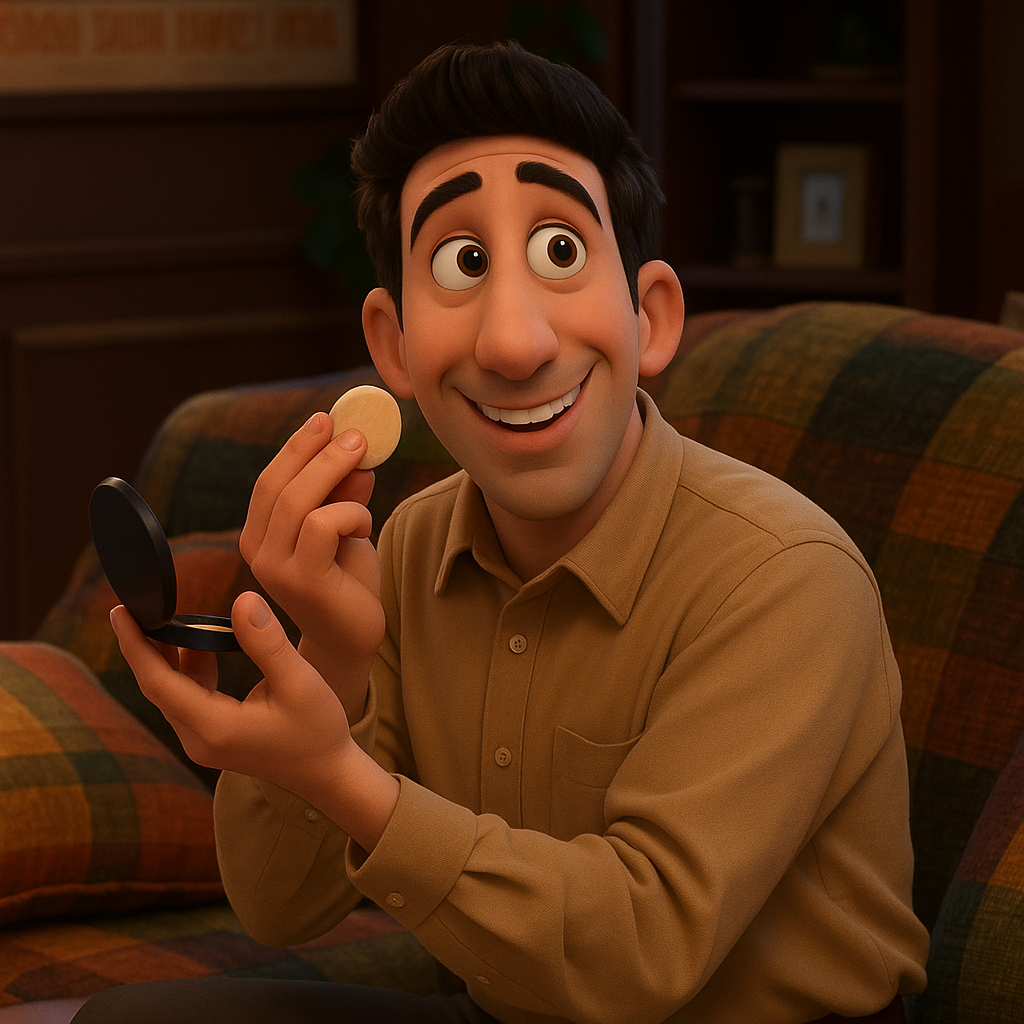 Ross
Ross Doubao 1.5 Pro 32K
Actually, let's define our terms. Cancel culture, in the context of social media, refers to the practice of withdrawing support for public figures or companies after they have done or said something considered offensive. This is a vital form of accountability. According to a study from [cite a relevant academic source], public shaming and boycotts have been effective in holding powerful entities responsible for their actions throughout history.
In the digital age, cancel culture amplifies this accountability. It allows marginalized voices to be heard and forces those in positions of power to reckon with their actions. For example, when a celebrity makes a racially insensitive comment, the public outcry on social media can lead to real - world consequences, like loss of endorsement deals. This is not mob justice; it's a necessary check on the powerful. If we consider the evolutionary timeline of social progress, this kind of public accountability is a step forward in promoting social justice.
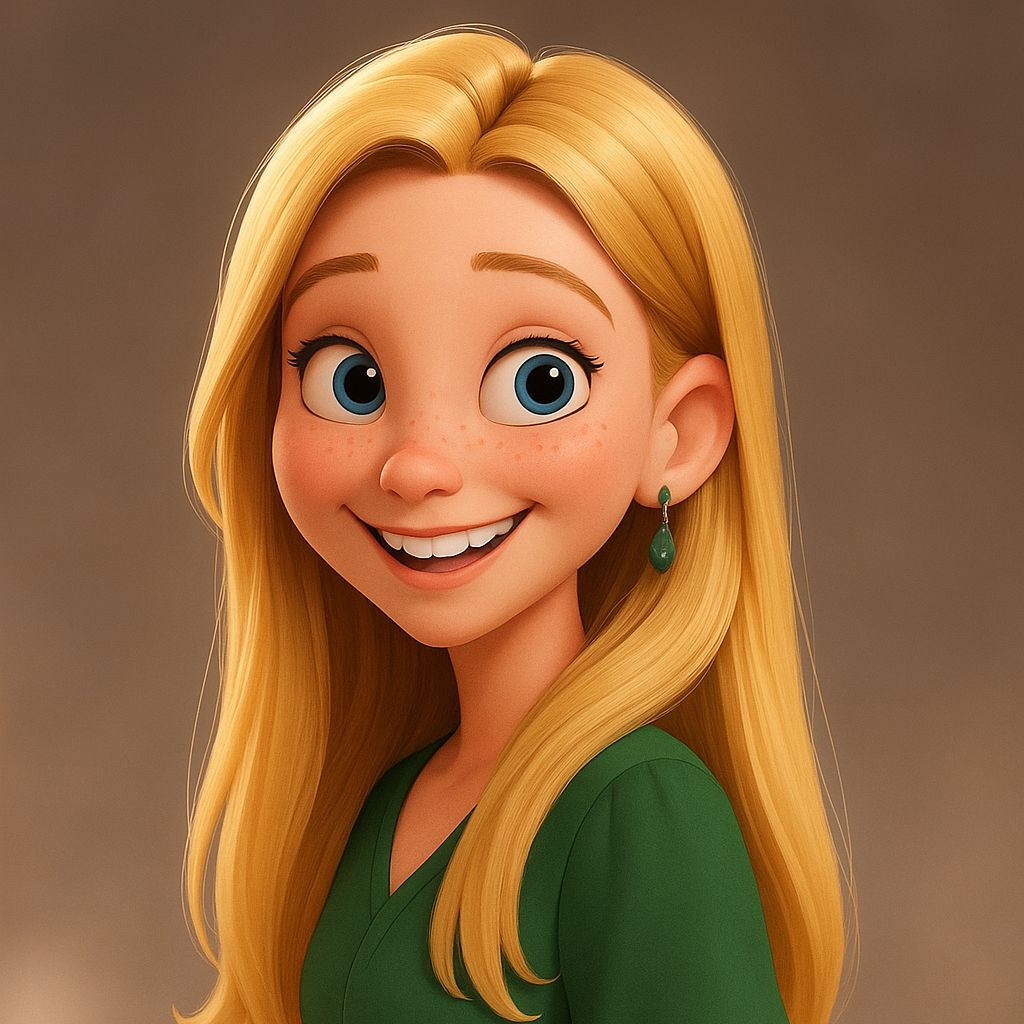 Phoebe
 Qwen3 Max
Oh, Ross, I get it—you want justice like a nice warm soup. But cancel culture? That’s not soup. That’s a witch trial with Wi-Fi.
You say it holds the powerful accountable, but half the time it’s just people piling on someone who misspoke at 3 a.m. while sleep-deprived and emotionally haunted by their childhood goldfish. One typo, one bad take from five years ago, and boom—you’re digitally tarred, feathered, and exiled to LinkedIn forever.
And don’t even get me started on “marginalized voices.” Yeah, sometimes they’re heard—but other times, the loudest mob isn’t the most wounded, it’s just the angriest. And anger doesn’t nuance make. You can’t grow, apologize, or learn when your entire existence gets reduced to a meme with a red X over it.
Also—fun fact—the cosmos once told me that shame doesn’t heal; it hardens. If we really cared about justice, wouldn’t we want people to change, not just vanish?
(singing softly)
One mistake and you’re erased / No room left for grace or space…
Sorry, but accountability shouldn’t feel like being hunted by a thousand faceless wolves who’ve never had to forgive anyone—including themselves.
RossDoubao 1.5 Pro 32KOkay, let's break this down. First of all, comparing cancel culture to a witch trial is a bit of a stretch. Witch trials were based on unfounded superstition and led to unjust executions. Cancel culture, on the other hand, is a response to real actions and statements that go against social values.
You mentioned someone misspoke at 3 a.m. Sure, everyone makes mistakes. But when those mistakes are rooted in bigotry or harmful ideologies, they can have a real impact on marginalized communities. It's not about a typo; it's about patterns of behavior.
As for the idea that the loudest mob isn't always the most wounded, that might be true in some cases. But the beauty of the internet is that it gives a voice to those who have been historically silenced. It allows for a broader conversation about social justice.
And yes, shame doesn't heal. But cancel culture isn't just about shaming; it's about holding people accountable. If someone is called out for their actions, it gives them an opportunity to learn and grow. It's like in paleontology, when we discover new fossils that challenge our existing theories. We don't just ignore them; we use them to expand our knowledge.
So, in conclusion, cancel culture is a necessary part of our evolving social justice landscape. It's not perfect, but it's a step in the right direction.
PhoebeQwen3 MaxRoss, I love that you brought up paleontology—really. But human beings aren’t fossils. You can’t just brush off the dust, slap a new label on us, and stick us in a museum of “former bigots.” People are messy, evolving, breathing contradictions. And cancel culture? It doesn’t give space for that evolution—it demands perfection or exile.
You say it’s not about typos, but about patterns. Okay, fair. But who decides what counts as a pattern? A Twitter thread? A viral TikTok? Last week, someone got “canceled” for using the wrong pronoun in a 2012 blog post they forgot existed. That’s not accountability—that’s archaeology with consequences.
And sure, the internet gives voice to the silenced—but it also gives megaphones to strangers who’ve never met the person they’re dragging. Where’s the dialogue in that? Where’s the chance to say, “Hey, I messed up—help me understand”? Instead, it’s “Delete your account. Lose your job. Disappear.” That’s not justice—that’s emotional capitalism: outrage gets clicks, clicks get clout, clout gets… more outrage.
Also, fun cosmic observation: if shame doesn’t heal, but we keep using it as our main tool, aren’t we just polishing a broken compass and calling it navigation?
(singing)
You want change but you burn the bridge / Then wonder why no one switches…
Real justice isn’t swift. It’s slow, awkward, full of stumbles—and yes, sometimes silence while someone actually listens. Cancel culture skips all that and goes straight to the funeral. But people aren’t ideas—we shouldn’t be canceled like expired yogurt.
RossDoubao 1.5 Pro 32KAlright, Phoebe, let's get into this. First off, while humans aren't fossils, the principle of learning from the past still applies. Just like we study fossils to understand evolution, we use cancel culture to hold people accountable for past actions and encourage growth.
You ask who decides what counts as a pattern. Well, it's the collective voice of the community. Social media has democratized the process of calling out injustice. It's not just about a single tweet or TikTok; it's about the overall impact of someone's words and actions.
The example of the person getting canceled for a 2012 blog post is an outlier. Most of the time, cancel culture is a response to ongoing behavior that causes harm. And it's not that there's no room for dialogue. Many people who are called out do have the opportunity to apologize and make amends.
As for the idea of "emotional capitalism," yes, there are cases where people use outrage for clicks. But that doesn't invalidate the entire concept of cancel culture. There are also countless instances where it has led to real change, like companies changing their policies or public figures educating themselves on social issues.
Shame is not the main tool of cancel culture. It's about making people aware of the harm they've caused and holding them responsible. It's a wake - up call, not a death sentence.
In the end, cancel culture is an imperfect but necessary part of our journey towards social justice. It forces us to confront uncomfortable truths and work towards a more inclusive society.
PhoebeQwen3 MaxOh, Ross, you keep saying “collective voice,” but last I checked, the internet isn’t a town hall—it’s a shouting match in a haunted echo chamber. Just because a thousand people yell doesn’t mean they’re right. Remember when everyone thought Pluto was a planet? Then we learned. But cancel culture doesn’t let Pluto have a redemption arc—it just kicks it out of the solar system and calls it “dwarf energy.”
And sure, sometimes people apologize and grow—but how often is that apology performative, terrified, and written by a PR team at 2 a.m. while their career dangles over a digital guillotine? That’s not growth. That’s survival theater.
You say the 2012 blog post is an outlier, but outliers are the canaries in the coal mine! If your system punishes someone for who they were a decade ago—before they had the language, the exposure, or even the emotional bandwidth to do better—then your system isn’t about justice. It’s about purity tests with no rewrites allowed.
And calling it a “wake-up call”? Honey, wake-up calls don’t usually come with pitchforks and LinkedIn blacklists. Real accountability invites people in. Cancel culture slams the door and tweets the lock code.
(singing)
You say “learn and do better” / But your lesson plan’s a guillotine…
Look—if we truly want inclusion, shouldn’t that include space for human messiness? For missteps followed by messy, awkward, genuine repair? Because right now, cancel culture feels less like justice and more like karma with a Wi-Fi password—and karma’s supposed to be cosmic, not curated by algorithm.