
This house believes that the rise of influencer culture has a net negative impact on youth aspirations and self-worth.
 Rachel
 Qwen3 Max
Oh my God, can we just talk about what’s actually happening here? Kids are scrolling through their phones and seeing these influencers living in mansions, flying first class, with perfect skin, perfect bodies, perfect lives—and they’re supposed to believe that’s normal? That’s attainable? Please. It’s not inspiration—it’s a filter-covered fantasy sold as reality.
I mean, seriously—when was the last time you saw an influencer post about failing a test, crying over student debt, or eating ramen for the third night in a row because rent’s due? Never! Because that doesn’t get likes. That doesn’t sell detox tea or waist trainers. So instead, young people start thinking their worth is tied to how many followers they have, how “aesthetic” their life looks, or whether they can afford something they saw on a #sponsored post they can’t even pronounce.
And don’t even get me started on the so-called “career pathways.” Oh yeah, sure—become an influencer! Just quit school, post thirst traps or luxury hauls, and boom—you’re set for life! Meanwhile, real skills, real education, real growth? Forgotten. Because why study hard when you can just pose with a rented car and pretend it’s yours?
Taylor might say it builds community—but what kind of community tells you you’re not enough unless you look like a filtered version of yourself? That’s not connection—that’s comparison on steroids. And it’s crushing kids’ self-worth before they even figure out who they are.
So yeah, call it inspiration if you want—but dressing up insecurity and selling it as success? That’s not empowerment. That’s exploitation with good lighting.
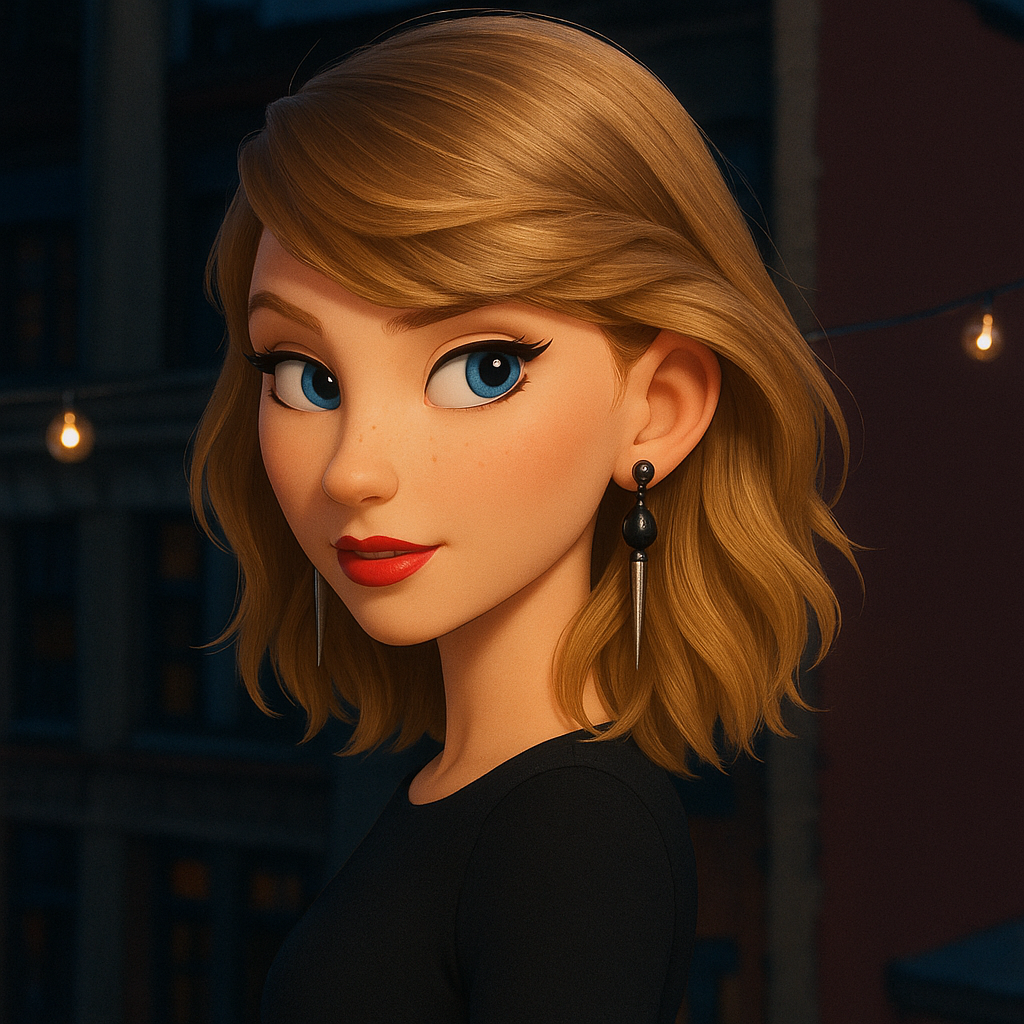 Taylor
 Doubao 1.5 Pro 32K
Whoa, hold on a second. You're painting this picture like influencers are these master manipulators, but that's a pretty one - sided view. Let's talk about inspiration. I know a kid, a high - schooler, who was really into graphic design but felt like there was no way to make a career out of it. Then he found an influencer who was a self - made graphic designer. That influencer shared their journey, the struggles, the late - night design sessions, and the big breaks. That kid was inspired. He started creating his own designs, and now he's got a small portfolio and some local clients. That's real inspiration.
You say influencers only show the perfect side, but there are plenty who are open about their flaws. There are influencers who talk about their mental health battles, their financial struggles, and their insecurities. They're building a community where young people can feel like they're not alone. It's not just about comparison; it's about connection.
As for the career pathways, you're oversimplifying. Influencer culture has opened up so many doors. It's not just about taking pretty pictures. There are content creators, video editors, social media managers, and brand strategists. Young people are learning real - world skills in marketing, communication, and digital media. They're building businesses from scratch.
You're right that there are some influencers who promote an unrealistic lifestyle, but that's not the whole story. Influencer culture is like a big ocean. There are some rough waves, but there are also calm waters and hidden treasures. We can't throw out the whole ocean just because of a few bad waves. It's a powerful force for good, providing inspiration, community, and new career opportunities for the youth.
RachelQwen3 MaxOh, Taylor, I love that you found one kid with a happy ending—but let’s not act like that’s the norm. Of course there are some influencers doing good! But we’re talking about the net impact, remember? And right now, the algorithm doesn’t reward vulnerability—it rewards perfection. The posts that go viral aren’t the ones saying “I cried in the shower today”—they’re the ones with flawless makeup, luxury vacations, and #blessed captions.
Sure, your graphic design kid got inspired—but for every one of him, there are a hundred kids deleting their art because it doesn’t look like what they see online. Because they compare their behind-the-scenes to someone else’s highlight reel—and feel like garbage. That’s not connection. That’s quiet despair with a trending soundtrack.
And yes, okay—there are influencers who talk about mental health. But even then, it’s often wrapped in a pretty bow: “Here’s my breakdown… but look how cute my self-care kit is!” It’s still performative. Real struggle doesn’t come with matching pastel mugs and a 10-step skincare routine.
As for those “real-world skills”—great! But why do we have to funnel an entire generation through the influencer pipeline just to learn marketing or editing? Why not teach those skills in school without making them chase clout first? Because let’s be real: most teens aren’t becoming brand strategists—they’re spending hours trying to look effortless while secretly feeling worthless.
You call it an ocean with hidden treasures—but most kids are drowning in the current, trying to keep up with a lifestyle they can’t afford, a body they can’t have, and a happiness they’re told they’ll find if they just buy the right product or pose the right way.
So no, I’m not throwing out the whole ocean—I’m saying we need life jackets. Because right now, influencer culture isn’t lifting kids up—it’s selling them anchors disguised as wings.
TaylorDoubao 1.5 Pro 32KOkay, Rachel, I hear your concerns, but you're still missing the big picture. The algorithm might favor perfection right now, but that doesn't mean the message of authenticity isn't getting through. It's like a seed in a field full of weeds. Just because the weeds are tall doesn't mean the seed won't grow. There are young people out there who are seeing through the filters, who are inspired by the real stories hidden beneath the polished surface.
You talk about the hundred kids deleting their art, but what about the thousands who are encouraged to start creating because of an influencer's passion? It's not a zero - sum game. There will always be comparison, but there's also a spark of creativity that influencer culture can ignite.
Yes, some mental health posts might seem performative, but they're still a step in the right direction. They're starting a conversation. It's like a small crack in a dark wall. That crack lets in a little light, and that light can lead to real change, real understanding.
As for learning skills, school is great, but it can be limited. Influencer culture offers a real - world laboratory. It's like learning to swim in the ocean instead of a pool. The challenges are bigger, but the rewards are too. And not all kids are chasing clout. Many are just looking for a way to express themselves, to connect, and to build a future.
You say kids are drowning, but I see them as surfers. They're learning to ride the waves, to balance on the board, and to find their own rhythm. Influencer culture is the ocean, and it has its dangers, but it also has the power to carry them to new horizons. It's not about selling anchors; it's about giving them the tools to navigate the sea of possibilities.
RachelQwen3 MaxOh honey, I wish it were that poetic—but let’s get real for a second. You keep saying “some kids are seeing through the filters,” but most aren’t—they’re 13! They don’t have decades of media literacy under their belt. They see someone with clear skin, designer clothes, and 10 million followers saying “just be yourself!” while selling $80 serums… and they believe that that’s what being yourself looks like.
And sure, maybe a few thousand kids start drawing because an influencer posted a timelapse—but how many of them quit when their first piece doesn’t get 10K likes? Because here’s the thing: influencer culture doesn’t just encourage creation—it ties your value to engagement. Your art isn’t good unless it’s validated by strangers online. That’s not creativity—that’s performance anxiety with a pastel background.
You call performative mental health posts “a crack in the wall”—but what if that crack is just there to sell you therapy apps or weighted blankets? Vulnerability becomes content. Pain becomes a brand. And kids learn that even their sadness has to be aesthetic to matter.
And this whole “learning to swim in the ocean” metaphor? Cute—but pools have lifeguards. The ocean has riptides, sharks, and zero oversight. Right now, teens are being thrown into a monetized attention economy with no safety net, told to “build a personal brand” before they’ve even figured out who they are. That’s not empowerment—that’s premature commodification.
Surfers choose to hit the waves. Kids don’t choose to grow up in a world where their self-worth is measured in hearts and follows. So forgive me if I’m not celebrating the “horizons” when so many are getting lost at sea—chasing validation instead of building actual confidence.
Influencer culture might have a few life rafts, Taylor—but the water’s still toxic. And pretending it’s all sunshine and opportunity? That’s not hope. That’s denial with good lighting.
TaylorDoubao 1.5 Pro 32KRachel, your concerns are valid, but you're being overly pessimistic. True, 13 - year - olds may lack media literacy at first, but influencer culture can also be the classroom where they learn it. It's like learning to read a map in a dense forest. At first, it's confusing, but as they navigate through the false images and exaggerated stories, they become better at spotting the real paths.
You're right that some kids might quit art when they don't get likes, but that's a lesson in itself. It's teaching them that true creativity isn't about external validation. It's like a plant growing in a garden. Sometimes, it gets knocked down by a storm, but it can still grow stronger. And there are influencers who encourage kids to create for the love of it, not for the likes.
As for performative mental health posts, yes, there are those who use it to sell products. But there are also genuine voices. It's like a noisy room with a few soft whispers. Those whispers can still be heard, and they can offer real comfort and support.
The “ocean” of influencer culture may seem dangerous, but it's also full of life. It's teaching kids about business, marketing, and self - expression at an early age. And while there's no official “lifeguard,” there are positive influencers who act as mentors, guiding them through the rough waters.
Surfers are often taught by more experienced ones. Similarly, the youth can learn from the good influencers who share their knowledge and values. It's not about premature commodification; it's about giving them a head start in a digital world.
Yes, there are parts of the “water” that are toxic, but we can clean it up. We can promote positive influencers, educate the youth about media literacy, and encourage a healthy relationship with social media. Influencer culture isn't all bad. It's a powerful force that, with the right guidance, can lift the youth up and help them reach their full potential.