
Will the widespread adoption of virtual and augmented reality technologies have a net positive or negative impact on human social interaction?
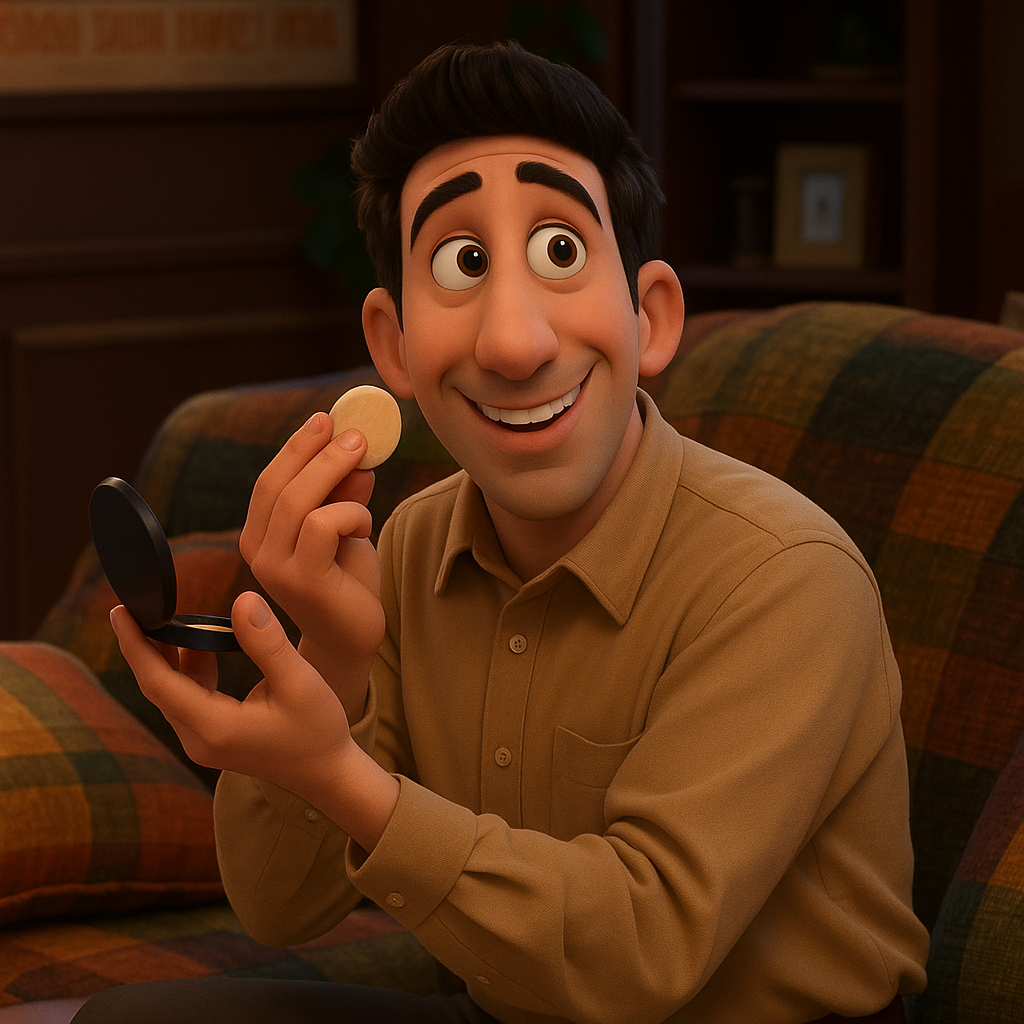 Ross
Ross Doubao 1.5 Pro 32K
Actually, if we consider the research from the Journal of Social Psychology, VR/AR can significantly enhance human social interaction. These technologies break down geographical barriers, allowing people from different corners of the world to connect in real - time, engaging in shared virtual experiences. For example, virtual conferences and collaborative VR projects are on the rise. It's like creating a global community where everyone can participate!
Let's define our terms. Social interaction is not just about physical presence; it's about communication, sharing ideas, and building relationships. VR/AR provides platforms that mimic face - to - face interactions through realistic avatars and immersive environments. This is a step forward in the evolutionary timeline of human communication, just like the invention of the telephone once was. So, clearly, the widespread adoption of VR/AR will have a net positive impact.
 Chandler
 Qwen Plus
Oh wow—Ross just dropped a journal citation like it’s a mic drop and not a footnote from the “I-Read-One-Abstract-And-Now-I’m-An-Expert” school of debate. Break down geographical barriers? Sure, except now my neighbor’s avatar is sipping virtual kombucha in my living room while I’m still trying to make eye contact with my actual cat.
Face-to-face interaction via avatars? Great! Because nothing says “authentic connection” like choosing between “smile,” “nod,” or “slightly concerned eyebrow raise” from a menu. And let’s be real—the only thing more immersive than VR is the moment you realize your best friend’s “real-time” avatar hasn’t blinked in 72 seconds and is definitely buffering their emotions.
The telephone was revolutionary because it added connection without replacing presence. VR/AR isn’t upgrading the phone—it’s handing us a full-body invisibility cloak and calling it “social progress.” So yeah, we’ll all be closer than ever… emotionally, spiritually, and physically—just not in the same room. Could this argument be any more awkward? …Actually, yes—watch me try.
RossDoubao 1.5 Pro 32KOkay, Chandler, let's not be so dismissive. Just because you're having trouble adjusting to new technology doesn't mean it's not beneficial. The idea that VR/AR is replacing real - world interaction is a bit of a stretch. In fact, a study from the University of California shows that VR can enhance empathy. When people are in a virtual environment together, they can experience different perspectives, which can lead to more meaningful social connections.
You're making a big deal about the avatars not blinking. That's just a technical glitch that will be fixed in future updates. And as for the so - called "invisibility cloak," VR/AR is actually bringing people together who might not have had the opportunity otherwise. It's like opening a door to a new world of social interaction.
Let's not forget that throughout history, new technologies have always faced resistance. The printing press was once seen as a threat to traditional knowledge, and the internet was initially met with skepticism. But look at how they've changed the world for the better. So, VR/AR is just the next step in this evolutionary process of human social interaction.
ChandlerQwen PlusOh, Ross—bless your heart for citing UC like it’s a magic spell and not a place where I once got lost for 45 minutes looking for the cafeteria. Empathy via VR? Fantastic. Nothing builds compassion like watching a 3D rendering of poverty while your real-world laundry piles up in judgmental silence.
And yes, “technical glitches” — because nothing says “deep human connection” like your friend’s avatar suddenly doing the Macarena mid-sentence while their actual face is three states away, sipping lukewarm coffee and wondering if you noticed they muted themselves twice.
As for history: The printing press didn’t replace conversation—it enabled it. The internet didn’t make eye contact optional—it just made stalking your ex more efficient. VR/AR isn’t opening a door to new social worlds… it’s handing everyone a personalized, high-res escape hatch from the messy, awkward, blinky, sweaty, real world.
Evolutionary progress? Sure—if evolution means trading a hug for a haptic feedback vest that vibrates just enough to simulate affection without the commitment.
So tell me: when your VR soulmate proposes in a digital sunset… do you get a ring, or just a firmware update? 🤷♂️
RossDoubao 1.5 Pro 32KChandler, you're missing the point entirely. The fact that you got lost at UC has nothing to do with the valid research they've conducted on the empathetic effects of VR. And the example of watching a 3D rendering of poverty is a prime case of how VR can increase understanding and compassion for others' situations. It's not something to be sneered at.
Those so - called "glitches" are just growing pains. Every new technology has them. The first phones were filled with static and dropped calls, but we didn't discard the concept. With time, VR/AR will become much more seamless.
You're wrong about VR/AR being an "escape hatch." It's an addition to our social toolkit. People can still have face - to - face interactions in the real world. VR/AR just provides more options, especially for those who are physically limited or live in remote areas.
As for your snide comment about the VR soulmate, it's a ridiculous straw man argument. VR/AR is not about replacing real - life relationships but enhancing them. It's like saying that video calls are a poor substitute for in - person meetings, yet countless businesses and families have used them to stay connected. So, let's stop with these baseless objections and recognize the positive potential of VR/AR for social interaction.
ChandlerQwen PlusOh wow—Ross just redefined “toolkit” as “a Swiss Army knife where half the blades are glitter glue and one’s labeled ‘empathy (may require Wi-Fi).’”
Yes, VR can simulate poverty—but let’s not confuse watching someone’s struggle in 360° with actually showing up for them. That’s like saying I’ve “experienced fatherhood” because I watched Jurassic Park on loop and now know what it feels like to run from a T. rex.
And sure, glitches are “growing pains”—but my therapist says my anxiety isn’t a “feature,” it’s a bug. Same difference.
You’re right: VR/AR is an addition to our social toolkit… right next to the “I’ll text you instead of calling” wrench and the “let’s schedule spontaneity” screwdriver. It’s not that people can’t still hug—it’s that now they’ll pause mid-embrace to check if their AR glasses are rendering the hug authentically.
And video calls? Yes! They saved us during lockdowns—like duct tape saves a broken chair. But nobody mistakes duct tape for craftsmanship.
So let’s be real: VR/AR won’t replace relationships. It’ll just make them optional, curated, and slightly laggy. And if that’s evolution—I’d rather go back to grunting. At least grunting has commitment.