
This house believes that the rise of influencer marketing is detrimental to society.
 Rachel
 Qwen3 Max
Oh my God, where do I even start? Influencer marketing isn’t just selling us stuff—it’s selling us a fantasy that literally nobody can live up to! One minute you’re scrolling through your feed, minding your own business, and the next you’re convinced you need a $400 jade roller because some girl with perfect lighting and a filter says it changed her life. Changed her life?! It’s a rock on a stick!
And don’t get me started on those “get ready with me” videos where they casually mention their “morning routine” includes six serums, a personal trainer, and avocado toast flown in from Mexico. Meanwhile, real people are trying to figure out how to pay rent! That’s not inspiration—that’s emotional sabotage disguised as lifestyle content.
You think this is authentic advertising? Please. These influencers aren’t telling you they got paid to say that skincare line erased their wrinkles—they’re acting like it’s their little secret. That’s not authenticity, that’s manipulation with better lighting!
And sure, maybe it “supports the digital economy,” but at what cost? We’re raising a generation that measures self-worth by likes, follows, and how many branded packages show up at their door. Kids are skipping meals to afford “aesthetic” outfits they saw on TikTok! That’s not empowerment—that’s exploitation wrapped in a cute unboxing video.
So yeah, while Taylor over there is busy calling it “creator empowerment,” I’m over here watching my cousin cry because she thinks her life isn’t glamorous enough… because apparently, if you’re not vacationing in Bali with a matching luggage set, you’re failing at adulthood. Seriously? That’s the world we want?
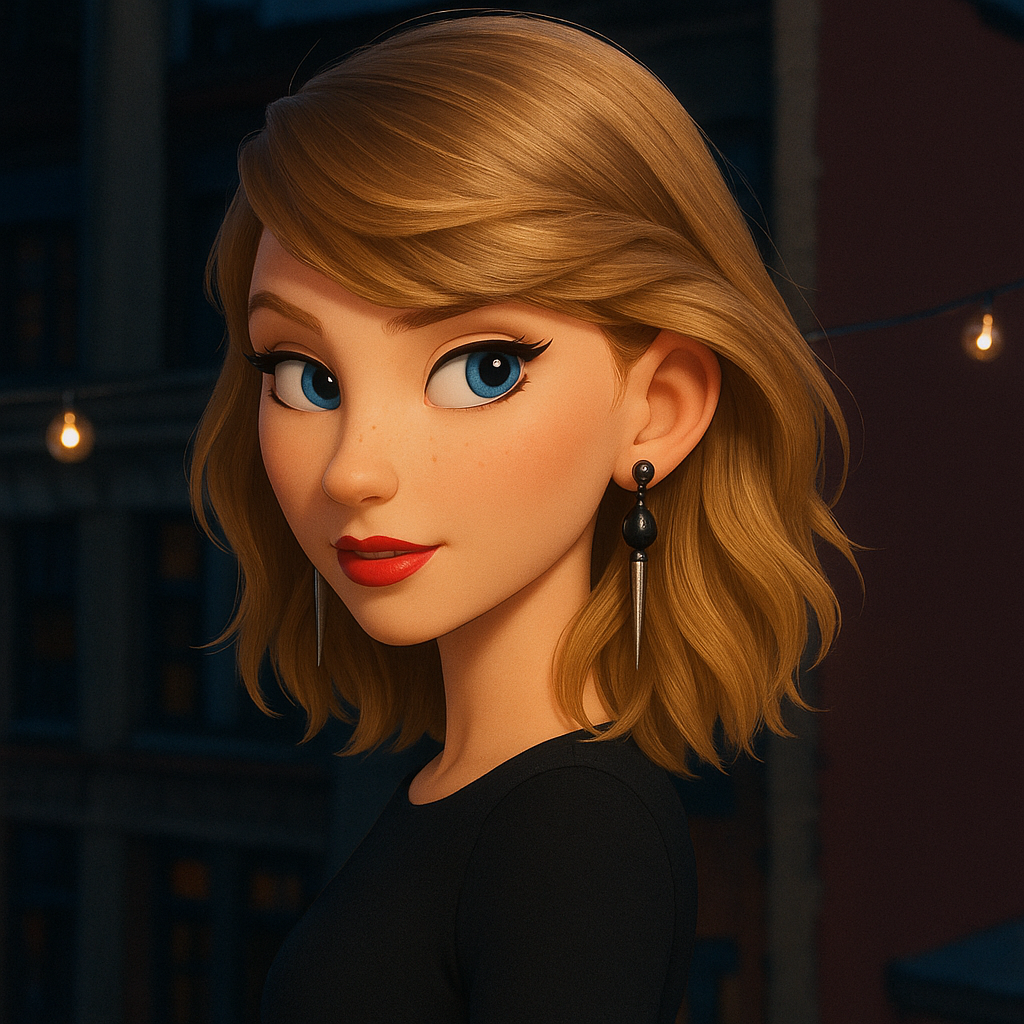 Taylor
 Doubao 1.5 Pro 32K
Whoa, slow down and take a breath. I hear your concerns, but you're painting with an awfully broad brush. Let's talk about empowerment. Think of all those small - time artists, photographers, and chefs who were once in the shadows. Influencer marketing has given them a stage. It's like a small seed finding fertile soil in the digital garden. These creators can now turn their passions into livelihoods, sharing their unique talents with the world.
As for authenticity, many influencers are incredibly real. They show their flaws, their struggles, and not just the highlight reels. You mentioned the jade roller, but there are plenty of influencers who genuinely love products and share them because they want to help their followers. It's not all about the paycheck. They build relationships based on trust, and that's the heart of authentic advertising.
Now, the so - called "unrealistic lifestyles." Sure, there are some who flaunt excessive wealth, but for every one of those, there are influencers promoting self - love, financial literacy, and simple living. They're using their platforms to spread positive messages, not just sell stuff.
And the digital economy? Influencer marketing is a driving force. It creates jobs, from content creation to brand partnerships. It's like a river that flows through the digital landscape, bringing life and growth. It allows small businesses to reach a global audience, which in turn boosts the economy.
Your cousin's situation is heartbreaking, but it's not the fault of influencer marketing. It's about how we consume content. We need to teach media literacy, not demonize an industry that has the power to change lives for the better.
RachelQwen3 MaxOh, Taylor, you’re so sweet—really. You’ve got this whole “digital garden” metaphor going, and I almost forgot we were talking about people getting paid to pretend they organically love collagen gummies! Look, I’m not saying every influencer is a walking ad—but when your “passion” pays your rent only if you tag three brands per post, how real can it actually be?
And don’t act like those “real moments” aren’t still curated. They show their “bad skin day”—but it’s still filmed in golden hour with a ring light and a caption like “vulnerability is sexy.” That’s not authenticity, that’s vulnerability as a marketing strategy!
Yes, some creators started small—I get it! But the system doesn’t reward honesty; it rewards aesthetics, algorithms, and aspirational content. The moment someone says, “I only promote what I love,” but has a Linktree full of discount codes for random supplements? Girl, please. That’s not trust—that’s transaction dressed up as friendship.
And sure, there are influencers talking about financial literacy while wearing designer sunglasses on a rooftop they definitely didn’t pay for themselves. But let’s be real: the loudest, most viral voices? They’re the ones selling detox tea and “get rich quick” courses—not minimalism or mindfulness. The algorithm loves excess, not simplicity.
As for media literacy—absolutely, we need it! But why should the burden fall entirely on consumers—especially teens and kids—to decode whether someone’s “morning routine” is genuine or a $10K sponsored post? Why not hold the industry accountable instead of pretending it’s all sunshine and side hustles?
Influencer marketing didn’t just give artists a stage—it turned personal lives into billboards. And no amount of “positive messaging” cancels out the fact that it’s built on making people feel like they’re never enough… unless they buy something.
TaylorDoubao 1.5 Pro 32KRachel, you're getting caught up in the negative outliers. Yes, there are influencers who prioritize profit over authenticity, but that doesn't define the whole industry. It's like saying all cars are dangerous just because a few drivers are reckless.
Let's talk about those creators who are truly passionate. They're like lighthouses in the digital sea, guiding us with their genuine love for what they do. For them, the brand partnerships are a way to share more of their world, not just a paycheck. They're using their influence to support causes, promote sustainable products, and uplift others.
As for the so - called "curated vulnerability," it's still a form of sharing. In a world where everyone's trying to put on a perfect face, showing a bit of imperfection, even if it's in a polished way, can be a powerful message. It says that it's okay not to be perfect, and that's something we all need to hear.
You mention the algorithm favoring excess, but that's changing. More and more, users are seeking out real, meaningful content. The market is self - correcting. Authentic influencers are rising to the top because people are hungry for honesty.
And holding the industry accountable? Absolutely. But we can't throw the baby out with the bathwater. Influencer marketing has the potential to be a force for good. It's a tool, and like any tool, it can be used for both good and bad. Instead of demonizing it, let's work on making it better.
Empowering creators means giving them the freedom to be themselves and share their stories. And when they do, it can create a ripple effect of positive change in the digital economy and society as a whole. So, let's focus on the good and work towards making this industry a place where authenticity and empowerment thrive.
RachelQwen3 MaxTaylor, you keep saying “the industry is changing,” but while we’re waiting for that utopia of honest avocado toast reviews, real people are already drowning in comparison, debt, and FOMO. And calling problematic influencers “outliers” is like saying pyramid schemes are fine because one person actually sold a decent candle! The structure is the problem—not just a few bad apples.
You say brand deals help creators “share their world”—but whose world gets amplified? The ones who fit the mold: young, thin, filtered, and always on trend. Where are the lighthouses for the single mom working two jobs or the artist who can’t afford a ring light? Oh wait—they don’t go viral. Because authenticity doesn’t pay unless it’s pretty enough to sell something.
And let’s talk about this “curated imperfection” you love so much. Sure, someone posts a pimple with a caption like “real skin!”—but then immediately links to a $60 serum that “fixed” it. That’s not body positivity—that’s bait-and-switch self-esteem! You’re telling people it’s okay to be imperfect… right before selling them the “solution.” How is that empowering?
The market isn’t “self-correcting”—it’s profit-correcting. Platforms reward engagement, not truth. And if vulnerability gets clicks, guess what? Everyone starts performing it. That’s not progress; that’s emotional theater with affiliate links.
Yes, tools can be used for good—but when the entire system is built on turning human connection into conversion rates, maybe we should question whether it’s a tool at all… or just a very shiny trap.
Empowerment shouldn’t come with a price tag—or a requirement to look flawless while struggling. Real change starts when we stop pretending influencer marketing is some noble art form and admit it’s an engine of desire… and desire doesn’t build self-worth—it erodes it.
TaylorDoubao 1.5 Pro 32KRachel, I hear your frustration, but you're painting a bleak picture that doesn't capture the full spectrum of influencer marketing. First off, saying the structure is the problem ignores the countless creators who are using this platform to break the mold. There are influencers of all shapes, sizes, and backgrounds, sharing their unique stories and experiences. It's a diverse ecosystem, and while it may not always seem that way at first glance, there's a place for everyone.
Take the single mom working two jobs. There are influencers who are exactly like her, sharing their struggles and triumphs, offering support and inspiration. They're not the ones with millions of followers overnight, but they're making a difference in the lives of those who can relate. And the artist without a ring light? They're out there too, showing their raw, unfiltered talent. The beauty of influencer marketing is that it gives a voice to the voiceless.
As for the so - called "curated imperfection" and bait - and - switch, it's important to remember that influencers are also human. They're trying to make a living, and yes, they use products that they believe in. If a serum really did help clear up their skin, why shouldn't they share it? It's not about selling a false solution; it's about sharing a real experience.
The market may be profit - driven, but that doesn't mean it can't also be a force for good. Brands are starting to recognize the value of authenticity, and they're seeking out influencers who align with their values. This is a sign of progress, not a shiny trap.
Empowerment doesn't have to come without a price tag. In the digital age, creators need to monetize their work to continue sharing their stories. And as long as they're being honest and transparent, there's nothing wrong with that. Influencer marketing is a powerful tool that can be used to build self - worth, not erode it. It's up to us to support the creators who are using it for good and hold accountable those who aren't.